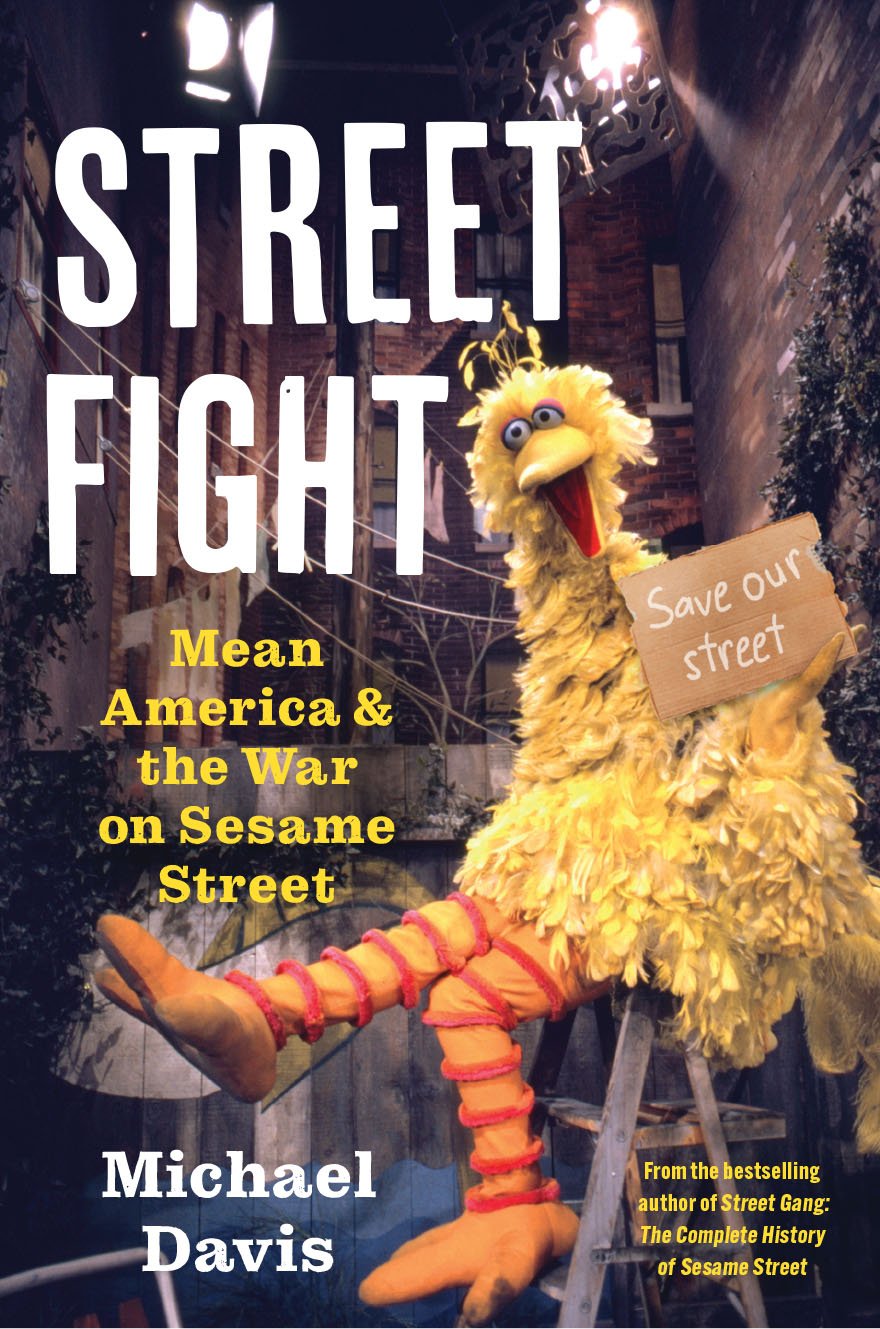
Street Fight: Mean America and the War on Sesame Street
Skirmishes in the culture wars have placed Sesame Street in the crosshairs, but the fight for tolerance, acceptance, and kindness is far from over. Best-Selling author Michael Davis is back, expanding a saga that began with "Street Gang," the origin story of the world's most influential television series.
Available for Pre-order on December 2, 2026
Release Date: 2nd March, 2027
Publisher: Rutgers University Press
254 Pages, 30 color and 3 B-W images including rare archival photographs
The generationally spanning preschool television series — whose foundational idea of an urban common ground where all races and ethnicities blend harmoniously — has been ridiculed, threatened, and ultimately defunded by self-righteous opponents determined to blot out that neighborhood’s diversity, equity, and inclusion. As preposterous as it may seem, they see Sesame Street as a threat.
Yet the war on its values is far from over, says bestselling journalist, educator, and Emmy winner Michael Davis. After 16 years of research comes his muscularly reported and detailed next chapters in the saga of Sesame Street, still the platinum standard in preschool television, domestically and globally.
The author of 2009’s critically hailed “Street Gang” picks up where that Sesame Street origin story leaves off, chronicling the uphill struggle to keep the series relevant and essential for a fickle and easily distracted audience in the dizzying, too-much-TV age of streaming.
A fiercely competitive television marketplace – and an internal power struggle over the show’s future – forced a reckoning at Sesame Workshop (formerly Children’s Television Workshop), the corporate nonprofit that has produced Sesame since 1969.
“Street Fight” uncovers a tumultuous recent era when Sesame’s production-team “lifers” were uprooted by executives lured away from arch rival Nickelodeon, disrupters who crushed a culture where staff writers — schooled in comedy that simultaneously appealed to adults and children – held sway. In its place came a research-dominated team who stripped away the winking parody sketches, refocusing the core show for kids who tote around sippy cups and blankies.
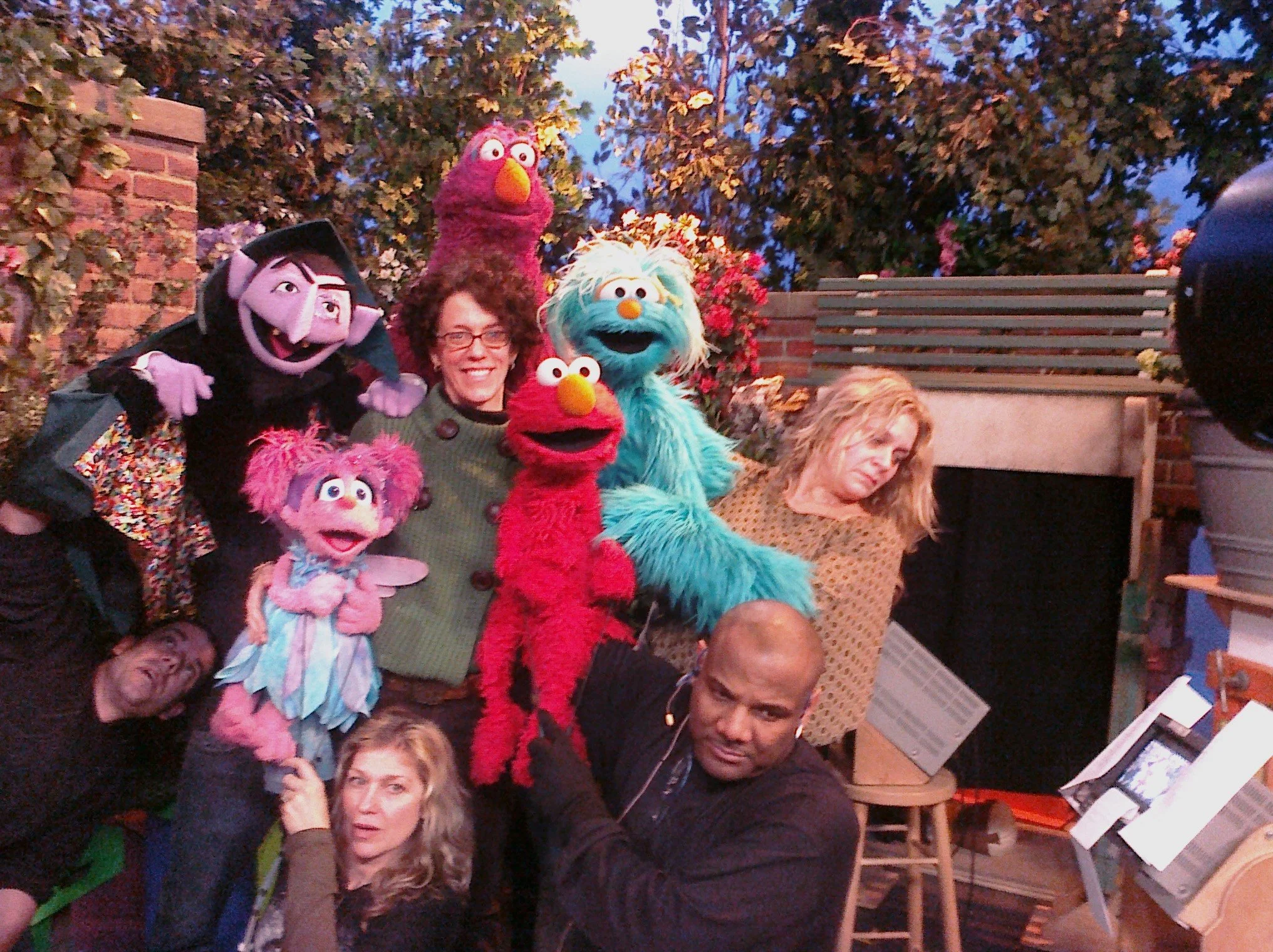
Distinguishing “Street Fight” is its sturdy fortification of eyewitness accounts and oral histories, harvested from 200 interviews with the show’s human cast, Muppet performers, researchers, show runners, scriptwriters, studio hands, puppet builders, songwriters, and more – all on the record and attributed.
What emerges is a 360-degree panorama that is at times heartbreaking, hilarious, surprising, and fresh.
It’s a story for our times and for all times, as it proves genius can be passed down generationally. Such is the eternal influence of Jim Henson, a specter who seemingly puppeteers from beyond.